Lead Exhibition Designer — Esperanza Peace & Justice Center, San Antonio TX
Year
2025
Role
Lead Exhibition Designer
Scope
Full Visual Identity · Exhibition · Narrative · Installation
Client
Esperanza Peace & Justice Center
Museo del Westside opened as the first museum on San Antonio's historically Chicano Westside, housed within the Esperanza Peace & Justice Center. As lead exhibition designer for the inaugural opening, I built the entire visual and interpretive framework for a community telling its own story in a dedicated space for the first time.
The museum grew from the convivios and desires of Los Corazones del Westside — principally elder women of the barrio who have met monthly since 2002. As memory bearers, storytellers, and cultural carriers, they are the museum's deepest sources of history. Every design decision had to honor that origin.
The challenge wasn't just design — it was trust. The visual language needed to feel rooted without being nostalgic, contemporary without being foreign, and bilingual from the ground up — not translated, but designed in English and Spanish simultaneously. I coordinated across departments, community stakeholders, fabricators, and vendors to bring each section to life.
As Lead Exhibition Designer and Project Manager, I coordinated the development and implementation of a multi-year museum exhibition from concept through public opening.
→Led cross-functional collaboration between museum leadership, curators, artists, fabricators, vendors, and community stakeholders.
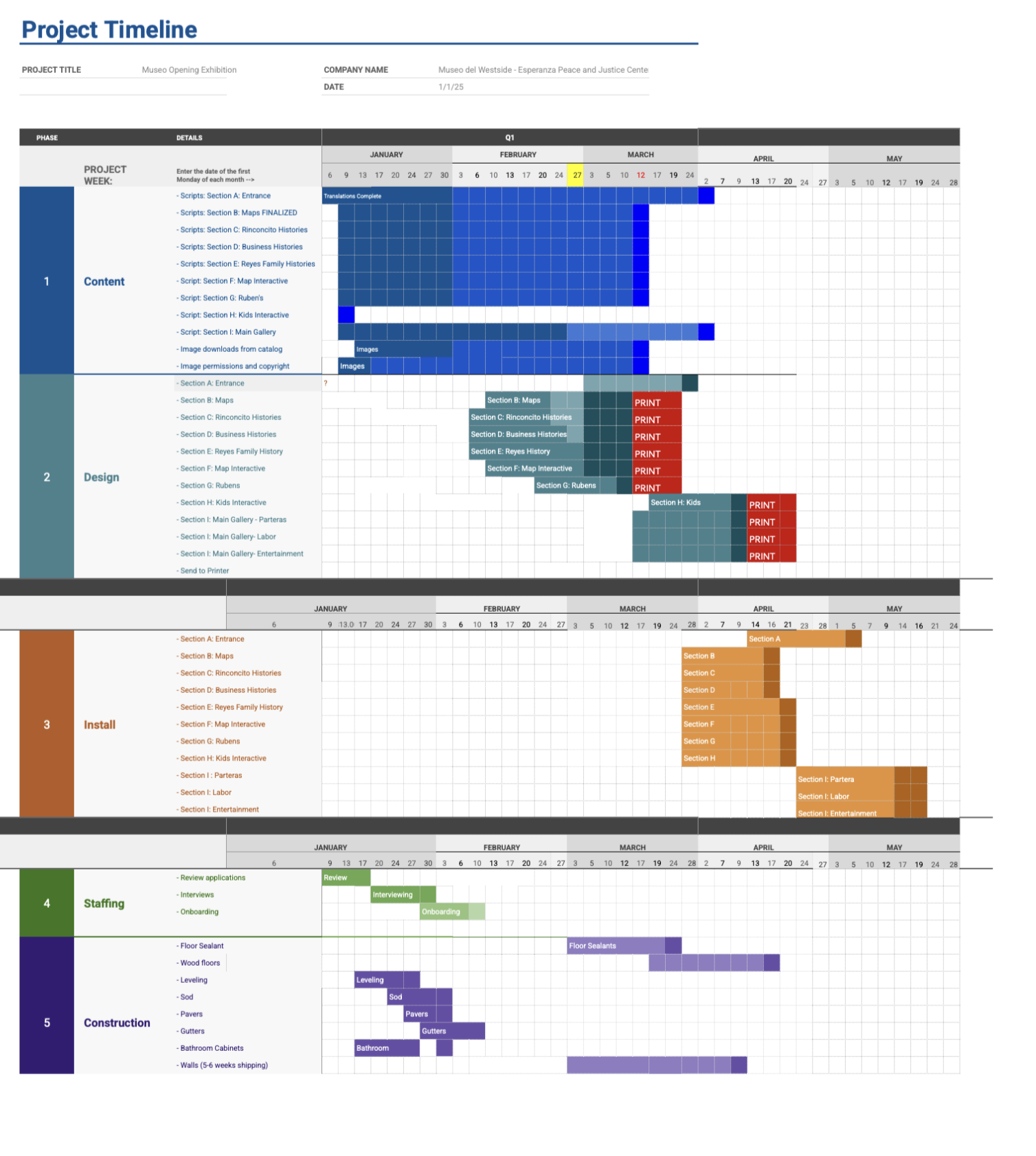
→Managed project schedules, milestones, and exhibition implementation timelines across 22 months.
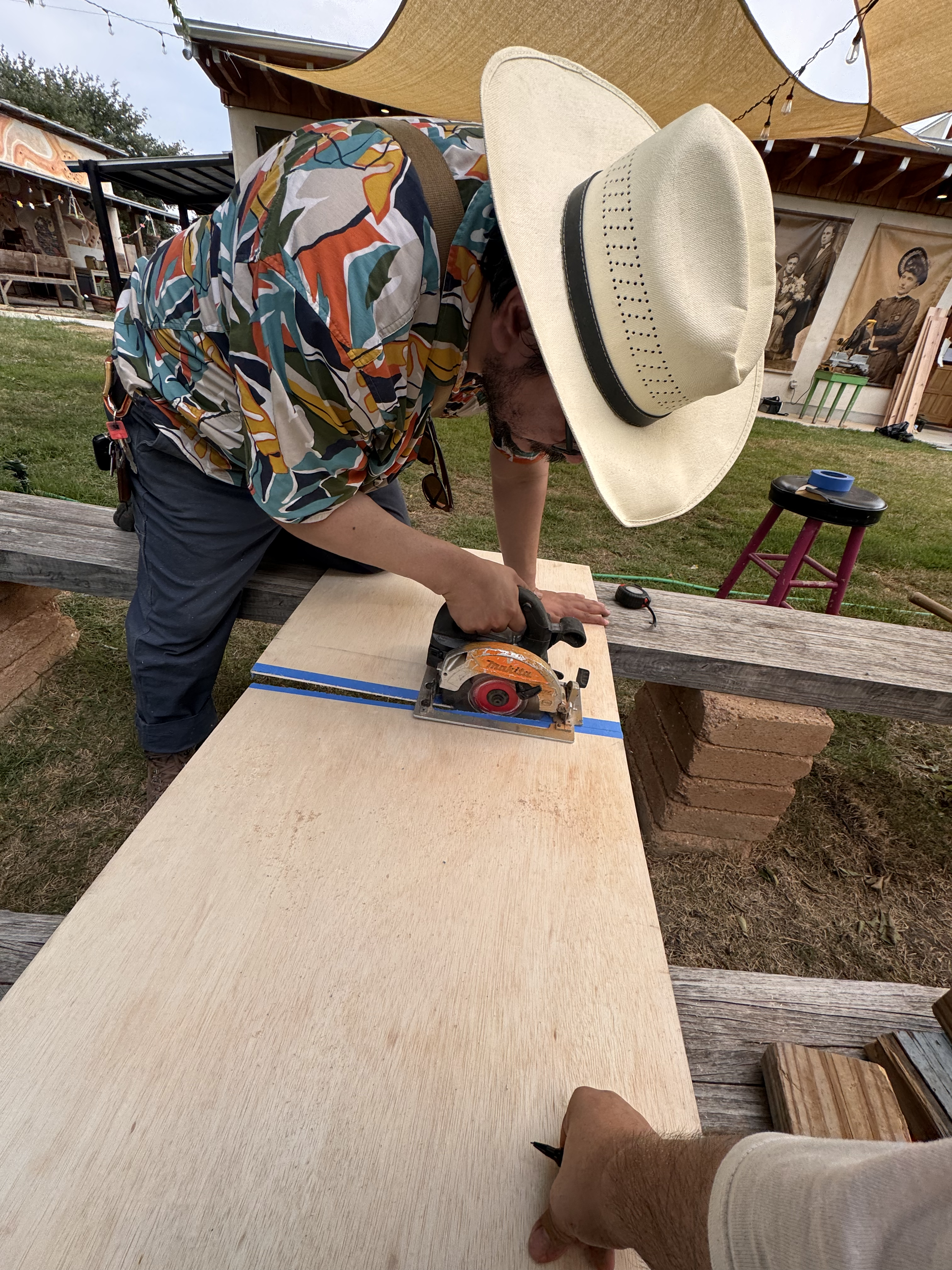
→Coordinated artist commissions, fabrication workflows, and production deliverables across 8 contributing artists.
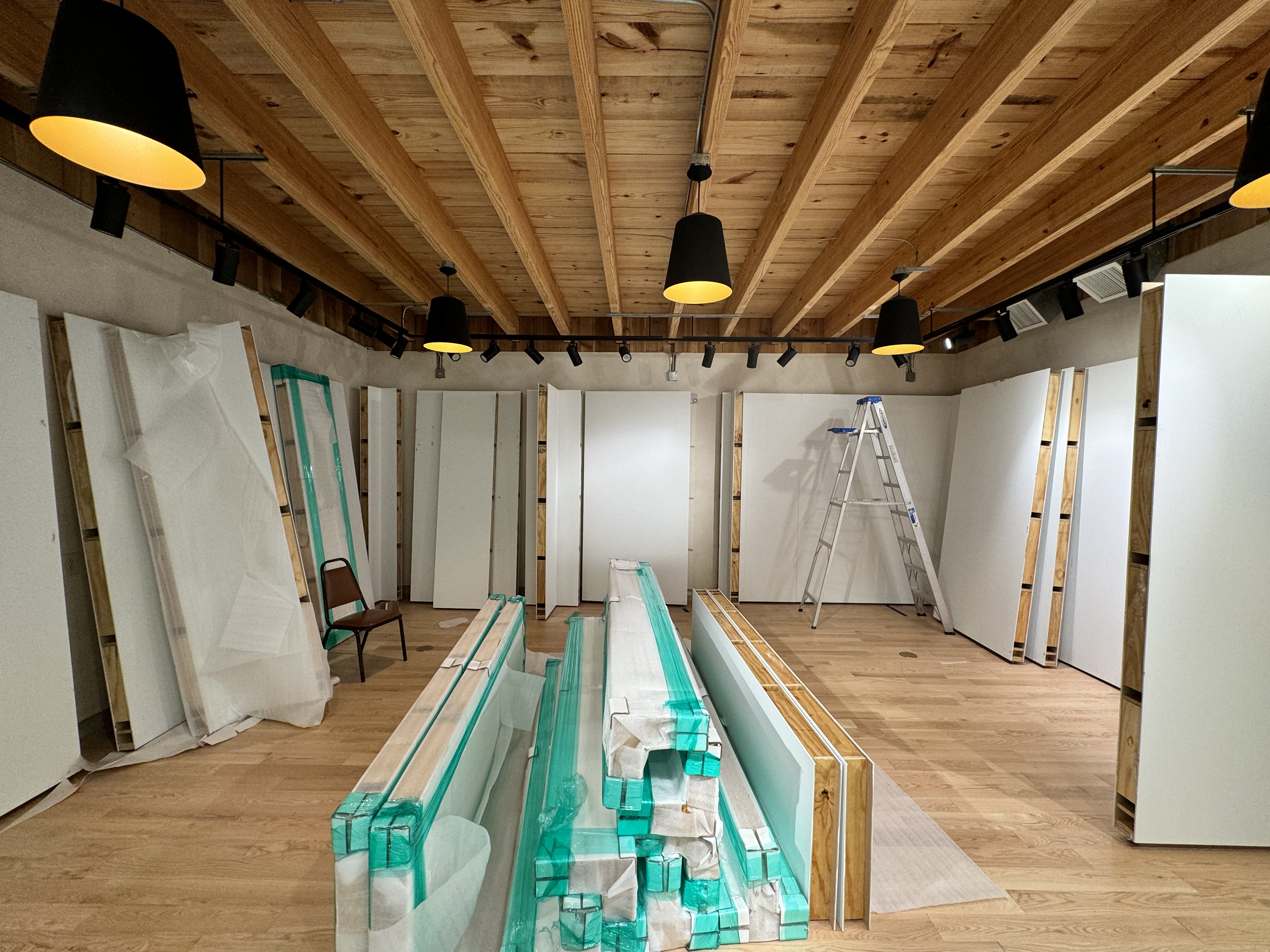
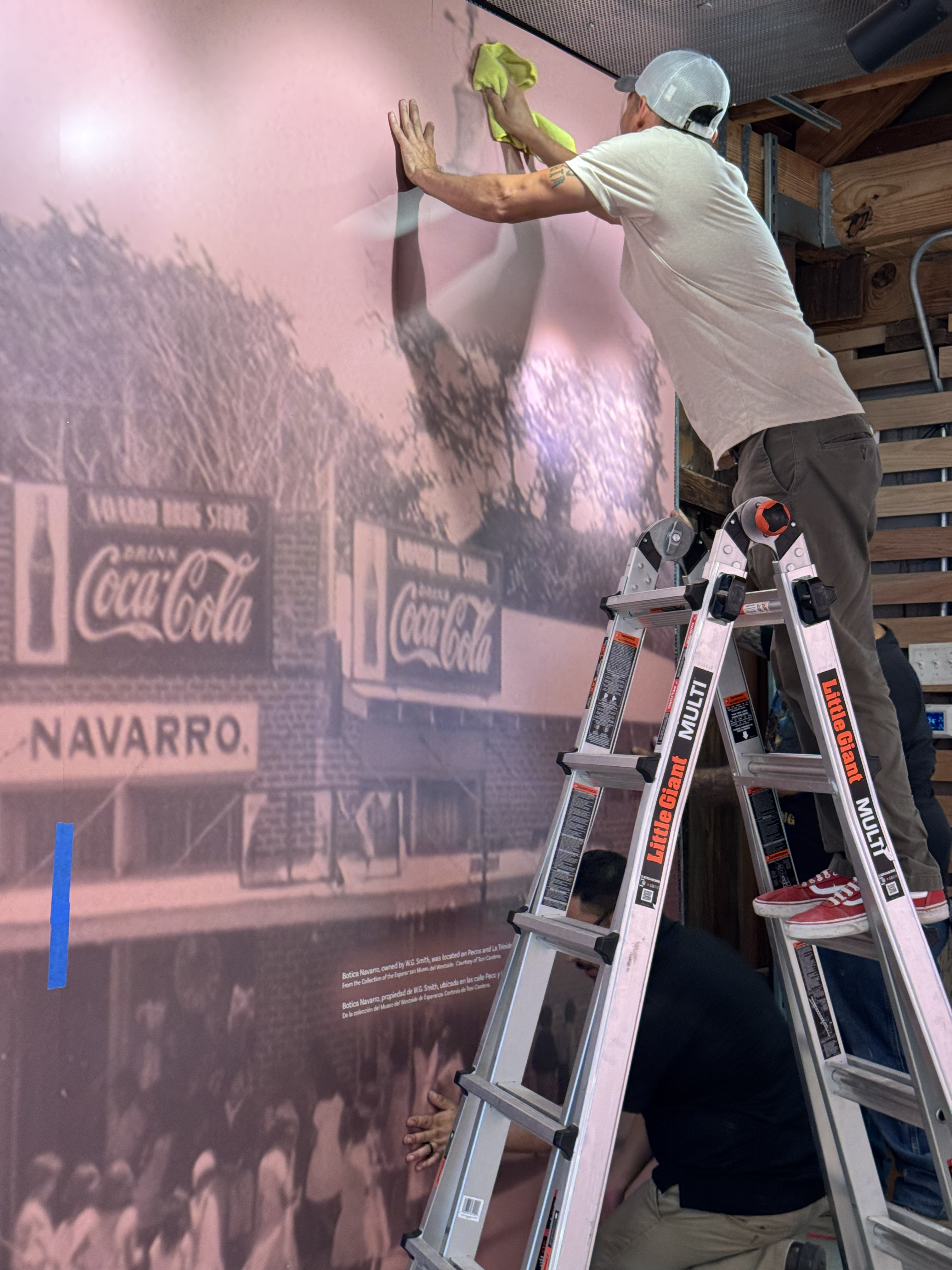
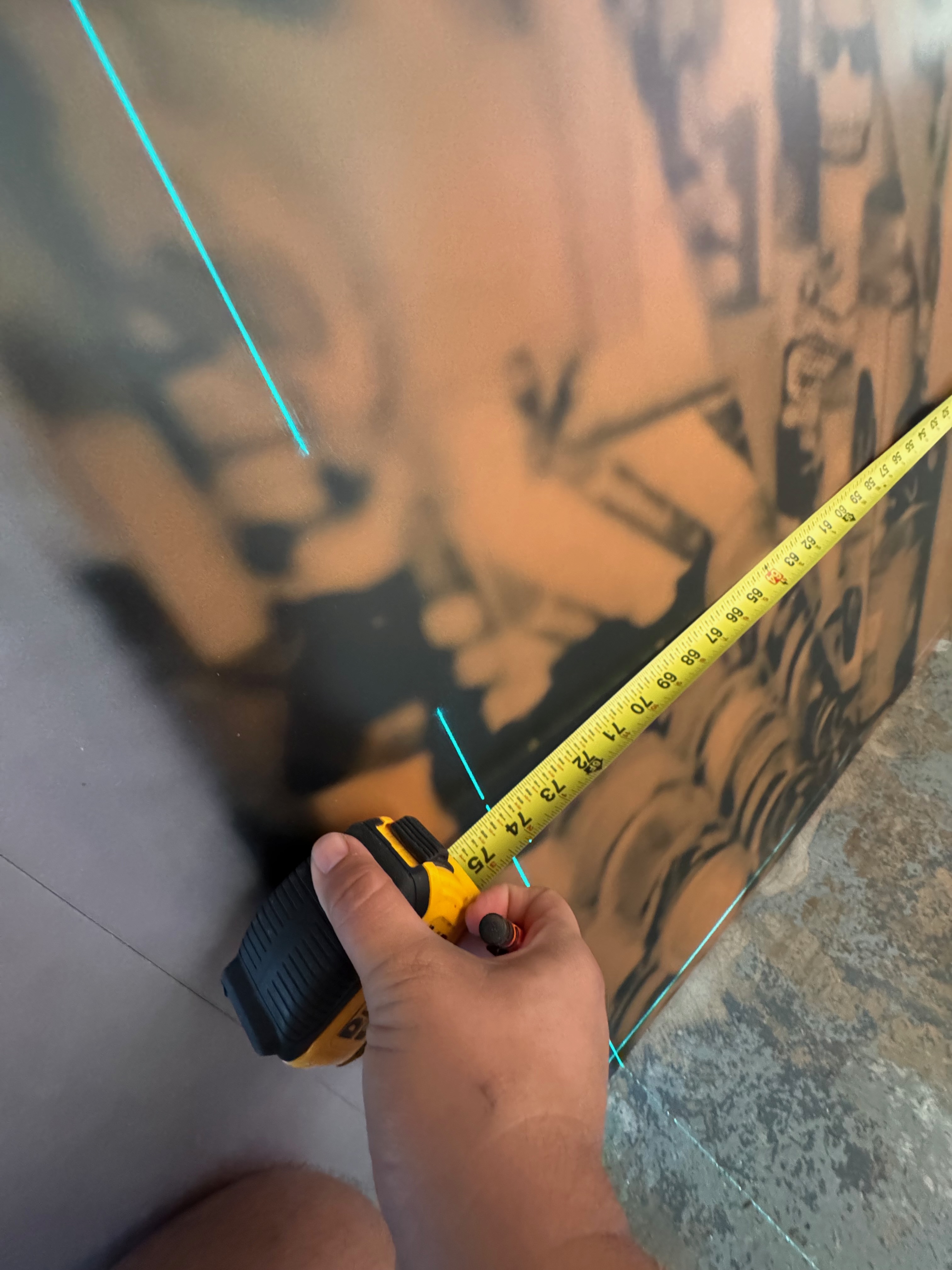
→Oversaw large-format graphics, fabrication, installation, and quality assurance with a 10-person install crew.
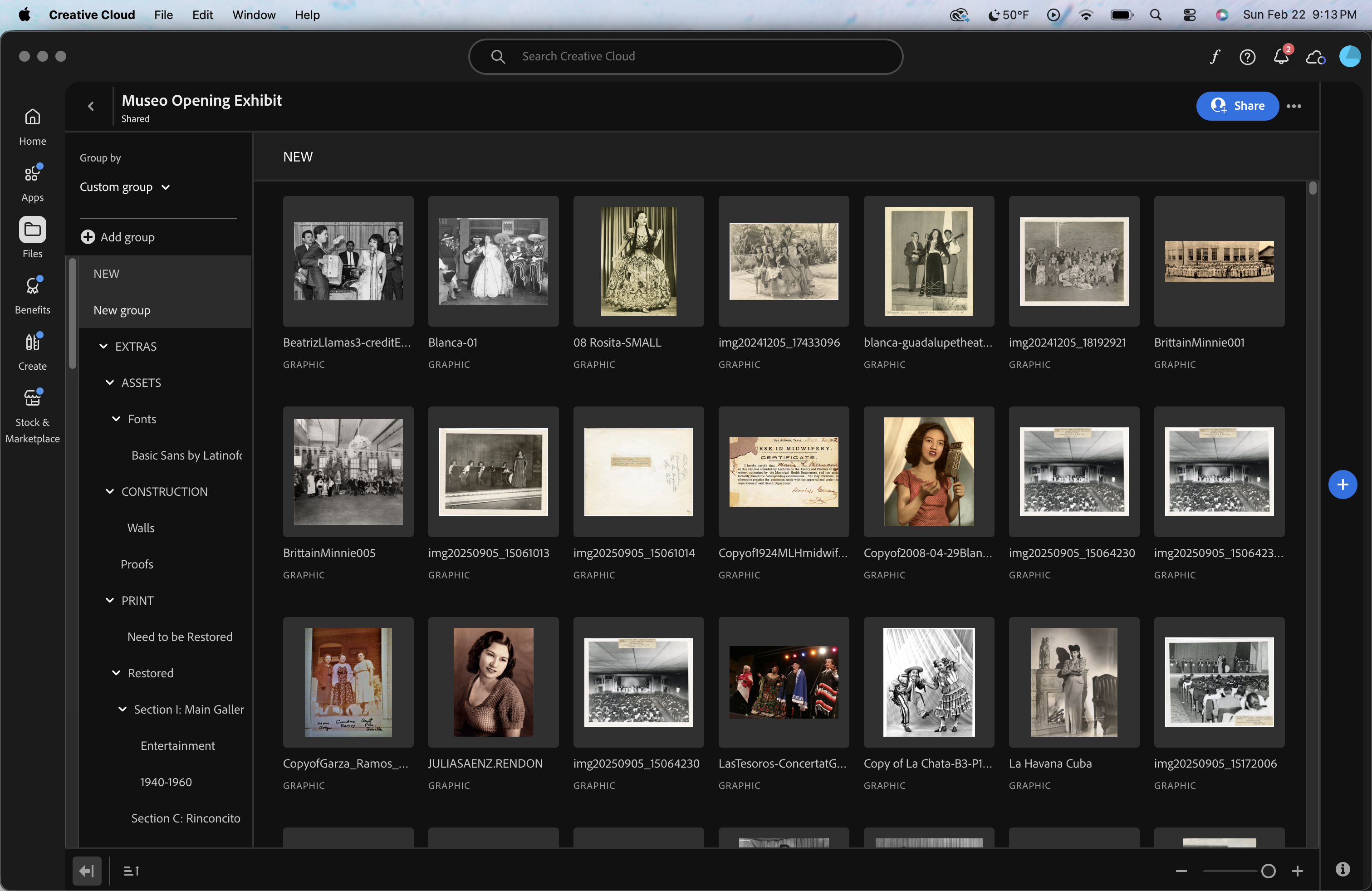
→Developed documentation systems and digital asset management workflows for 100+ archival images across 9 exhibition sections.
→Directed exhibition planning and installation from concept development through public opening, engaging a 25-member community advisory.
Fabrication and production oversightPrecision measurement and installation quality assurance
Digital asset management system — 100+ archival images across 9 exhibition sectionsMulti-phase project schedule — content, design, installation, staffing & construction
The Space
An environment built for community memory.
The museum spans multiple thematic galleries, each designed with a distinct visual register — color, typography, object density, and material — while maintaining coherence across the whole. The entrance sets the tone: bold, bilingual, grounded in labor history and Westside identity. "Our Work Transforms the World" anchors the entire exhibition philosophically.
Opening day — visitors engaging with the exhibition
Interpretive Narrative
Nuestras Historias — Our Stories.
The interpretive panels position the community as the author of its own history. The typographic system moves between documentary and intimate registers — archival photography, family records, and community-contributed objects as primary sources. The Nuestras Historias section traces Westside family histories through scaled portraiture, census documents, and personal objects, designed to feel like looking through someone's family archive.
"Community memory can offer histories that challenge erasure and displacement. Here are some of the stories we have recovered about the people who lived in the Rinconcito de Esperanza."
— Museo del Westside interpretive text
Nuestras Historias — community family portraits, archival documents, and timeline
Visitors on opening day engaging with family histories
Negocios en el Westside
Commerce, culture, and survival.
San Antonio has always been a vibrant center for trade, political activity, and cultural exchange. The Negocios section traces the commercial life of the Westside — barbershops, boticas, tienditas — as sites of community resilience. The design uses archival imagery at scale, period objects, and a warm terracotta palette to create an immersive layered environment.
M&E Grocery — Object Curation
The Reyes family tiendita, reconstructed.
The M&E Grocery reconstruction demonstrates the exhibition's approach to object-based storytelling. Every item on the shelves — period grocery tins, Coca-Cola bottles, Folger's coffee cans, handmade baskets — was sourced and placed to recreate the atmosphere of the original Westside tiendita run by the Reyes family for over 50 years. The interpretive framework weaves oral history with physical objects so visitors experience the space through the family's memory.
Object curation across the Negocios section — period goods, archival photographs, and community-donated objects
Immersive Installation
Ruben's Ice House — A place reconstructed from memory.
The Ruben's Ice House section is the exhibition's most immersive environment — a full reconstruction of a beloved Westside gathering place built entirely from community memory, archival photographs, and donated objects. The green cinderblock walls, the Wurlitzer Americana II jukebox, the Cardona Welding Shop softball jerseys, the Schlitz and Lone Star cans — every object was sourced, placed, and interpreted as part of a total environment. Text panels carry oral histories directly on the walls in the voices of the Reyes family descendants.
Ruben's Ice House — full immersive environment with jukebox, archival photographs, and community objects
"I remember as a little boy, probably ten years old, walking into the bar side of the building... And so we would go through the back and go to the other side of the building where my grandmother was, and she would say 'Pick something.'"
— John Hurón, grandson of Manuel & Elida Reyes
Details: Cardona Welding Shop uniform, vintage beer cans — objects sourced to reconstruct the atmosphere of the original space
Las Parteras
A Midwife Brought Me Into the World.
The Parteras section — designed in a deep violet palette — honors the midwives of the Westside as healers, community anchors, and knowledge bearers. The R.R. Ramos Mid-Wife sign, salvaged from the original building, serves as the section's centerpiece. The interpretive framework moves between medical history, spiritual practice, and personal testimony. Object cases hold Mesoamerican codices and herbal medicine tools alongside family photographs and birth records.
Las Parteras — the R.R. Ramos Mid-Wife sign anchors the purple gallery
"A Midwife Brought Me Into the World / Me Dio a Luz Una Partera" — interpretive narrative panel
Viva La Causa en La Historia
Long Live the Movement.
The Labor section is the exhibition's most politically charged environment — a deep red gallery tracing the history of Westside workers organizing for their rights. Cigar makers, garment workers, pecan shellers, laundry workers — the section honors the generations of women who built the labor movement in San Antonio. Reproduction protest signs hang from the ceiling overhead; the timeline wheel anchors the space physically and narratively, spinning from 1900 through the 1960s. Digital integration tablets carry archival footage and oral history.
"United We Protest Against Unemployment" — reproduction protest signs installed overhead in the Labor gallery
The timeline wheel — an interactive physical element visitors spin to move through decades of labor history
Artistas de las Américas
The performers who built Westside culture.
The Artistas de las Américas section celebrates the entertainers — musicians, performers, radio hosts — who shaped cultural life on the Westside and beyond. From the Teatro Zaragoza and KCOR La Voz Mexicana to Lydia Mendoza, Rosita Fernández, and Rita Vidaurri, the section honors women who performed for their community while breaking barriers nationally. The design uses a vivid yellow and pink palette, marquee-style typography, and larger-than-life cutout portraits to create a sense of stage and spectacle.
Artistas de las Américas — performance dresses displayed against the interpretive wall panels
Opening day — visitors from across San Antonio's Westside community engaging with the Artistas section
Kids Room
¡Aprende! ¡Juega! Learn. Play.
The children's section was designed as a full sensory environment — playful, bilingual, and rooted in the same visual language as the rest of the museum. The tiendita play area invites kids to experience the same community spaces their families remember, scaled to their world. The drawing station connects creative activity directly to the museum's theme of community storytelling.
Visitor Engagement
Designed for every generation.
The magnifying glass interactive element runs throughout the museum — visitors of all ages are invited to look more closely at archival documents and photographs embedded throughout the space. It transforms passive viewing into active discovery and connects the physical objects to the interpretive narrative in a tactile, intuitive way.
Interactive magnifying glass — designed for visitor engagement across all sections and age groups